
by https://www.medlegal.legal/cialis-advertising/ | Aug 23, 2022 | Philips Recalled BiPAP, CPAP, Ventilators
CEO steps down, additional devices added to recall
In a press release on August 16, 2022, Royal Philips announced that it is replacing its CEO Frans van Houten, who has been in the role for more than a decade, with Roy Jakobs. After the recall last year, revenues began slipping and fell 13 percent in second quarter 2022 as compared to second quarter 2021. The change in leadership will become official October 15, and Mr. van Houten will act as an adviser until April 30, 2023.
Following the recall of millions of ventilators in June 2021 that have been tied to 168 deaths, the company initiated a separate recall of additional devices that were not part of the original recall. All of its V60, V60 Plus, and V680 ventilators were recalled, more than 56,000 of which were distributed in the U.S. between May 2009 and December 2021, as reported by Fierce Biotech. All of these models are indicated for use only in healthcare facilities.
This recall was prompted by an issue with the internal power mechanism in the machines. An energy fluctuation could force the backup alarm controller to reboot, which could cause a complete shutdown of the device with no visible or audible alarm or warning.
Philips has issued guidance for healthcare providers who continue using the devices after taking some mitigating actions. They are strongly recommending that all users connect the devices to a nurse call or remote alarm system and make sure to respond promptly to every alarm issued by the device or the backup alarm system, regardless of priority level. They have also recommended that users install an oxygen analyzer and use pulse oximeters to serve as additional monitors for potential shutdowns.
Philips also recommends having backup ventilators at the ready in the event one of their devices does shut down. That would make it easier to immediately disconnect the patient from the faulty device and get them connected to a backup device as quickly as possible.
If these suggested additional protections are not instituted, Philips suggests that users analyze whether continuing to use the devices is worth the potential risk.

by https://www.medlegal.legal/cialis-advertising/ | Aug 18, 2022 | Camp Lejeune Contaminated Water
Chemical pollution of the drinking water at Camp Lejeune, North Carolina has been the subject of many studies and the target of many lawsuits from U.S. veterans, their family members, contractors, and others who were present at the base between 1953 and 1987.
How the Water Got Polluted
Volatile organic compounds (VOCs) were found in the drinking water provided by three of the eight water treatment plants at Camp Lejeune. The water from the Tarawa Terrace water treatment plant was primarily contaminated by an off-base dry cleaning company and their waste disposal practices. Perchloroethylene (PCE) or tetrachloroethylene from the dry cleaner contaminated the wells feeding that water treatment plant.
The Hadnot Point water treatment plant was contaminated primarily by trichloroethylene (TCE) but PCE, benzene, TCE degradation products, and vinyl chloride were also found in the water. The contamination came from multiple sources, including leaking underground storage tanks, industrial area spills, and waste disposal sites.
Areas served by the Holcomb Boulevard water treatment plant were intermittently supplemented by contaminated water from the Hadnot Point plant during high demand spring and summer months from 1972-1985. Holcomb Boulevard wells were generally not contaminated.
Water for drinking, cooking, bathing, laundry, gardening and other daily activities was found to have hazardous levels of chemical contamination for a period of 34 years total, affected hundreds of thousands of people.
How the Contaminated Water Affected Those Who Were Exposed
The chemicals that contaminated the water at Camp Lejeune for so many years are known human carcinogens. It is likely that increased risk of various cancers, birth disorders, fetal and infant death, and other illnesses resulted.
The CDC has stated that sufficient evidence for causation of certain health effects exists for the chemicals detected in the drinking water at Camp Lejeune as follows:
- TCE has been shown to cause kidney cancer, non-Hodgkin’s lymphoma, and various cardiac defects
- PCE has been shown to cause bladder cancer
- Benzene has been shown to cause leukemias and non-Hodgkin’s lymphoma
- Vinyl chloride has been shown to cause liver cancer
The CDC has also concluded that exposure to the drinking water at Camp Lejeune cannot definitively be said to cause the following illnesses, but there is enough evidence to support a link between the exposure and the health effects. This means the evidence is “equipoise and above”.
- TCE is equipoise and above for leukemia, liver cancer, multiple myeloma, end-stage renal disease, Parkinson’s disease, and scleroderma.
- PCE is equipoise and above for non-Hodgkin’s lymphoma and end-stage renal disease
- Benzene is equipoise and above for multiple myeloma
TCE and PCE have been shown to have health effects in populations other than Camp Lejeune for the following:
- Chonal atresia (nasal passages blocked with bone or tissue)
- Eye defects
- Low birth weight
- Fetal death
- Major malformations
- Miscarriage
- Neural tube defects
- Oral cleft defects (including cleft lip)
- Small for gestational age
- Breast cancer
- Cervical cancer
- Esophageal cancer
- Lung cancer
- Hodgkins disease
- Ovarian cancer
- Prostate cancer
- Rectal cancer
- Impaired immune system function
- Neurological effects (delayed reaction times problems with short-term memory, visual perception, attention, and color vision)
- Neurobehavioral performance deficits (i.e., delayed recall and deficits in visual perception), decreased blink reflex, and mood effects (i.e., confusion, depression and tension)
- Severe, generalized hypersensitivity skin disorder (an autoimmune-related disease
Benzene has been shown to have health effects in populations other than Camp Lejeune for the following:
- Aplastic anemia
- Myelodysplastic syndromes
- Miscarriage
Vinyl chloride has been shown to have health effects in populations other than Camp Lejeune for the following:
- Brain cancer
- Lung cancer
- Soft tissue cancer
- Liver cirrhosis
Since March of 1987 Camp Lejeune’s drinking water has been considered safe. It is in compliance with comprehensive federal and state laws and regulations. The water is checked for VOCs more frequently than required by law and the base issues annual Consumer Confidence Reports to all residents of the base on the quality of their water.
by https://www.medlegal.legal/cialis-advertising/ | Aug 18, 2022 | Philips Recalled BiPAP, CPAP, Ventilators
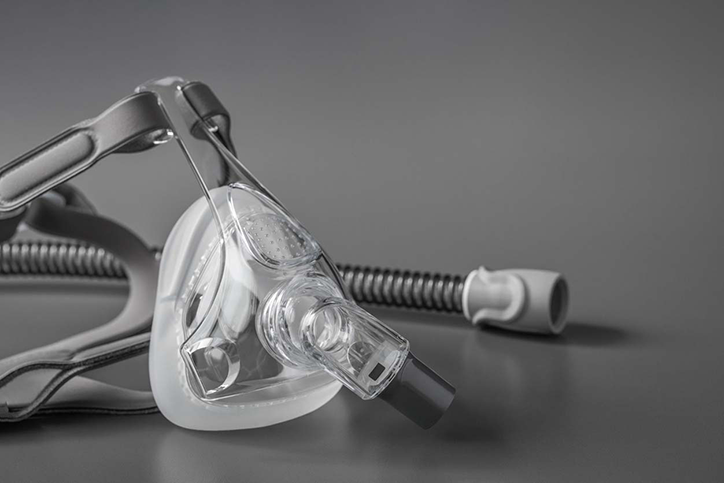
Bilevel Positive Airway Pressure (BiPAP) Machines
The Philips BiPAP device pushes air into your lungs through a mask or nasal plugs that are connected to a ventilator. Patients with chronic obstructive pulmonary disorder (COPD), obstructive sleep apnea, obesity hypoventilation syndrome, pneumonia, asthma flare-up, post-operative breathing difficulties, or neurological disease that disturbs breathing would be candidates for using a BiPAP. Patients with very poor breathing, reduced consciousness, or problems swallowing might not be helped by using a BiPAP.
Continuous Positive Airway Pressure (CPAP) Machines
Philips CPAP devices use mild air pressure from a small, sophisticated air compressor to keep airways open while sleeping. Patients with sleep-related breathing disorders are commonly treated with CPAP machines.
Ventilators
A Philips ventilator is a machine that moves air in and out of the lungs, doing the breathing work that the diaphragm and other muscles normally perform. Ventilators are for patients who are no longer able to breathe normally on their own.
Philips Respironics (Philips) is the maker of multiple types of breathing devices and supplies including BiPAP machines, CPAP machines, and ventilators. In June of 2021, Philips recalled several specific models of these devices, the majority of which are first-generation DreamStation products sold prior to April 2021. This recall involves millions of devices that may be affected by a defect that can harm the user.
These devices use a polyester-based polyurethane (PE-PUR) to lessen sound and vibration. This PE-PUR material can break down and pieces of black foam or certain chemicals could be breathed in or swallowed, potentially resulting in serious injury. The breakdown of this PE-PUR foam may be caused by hot and humid conditions or by the use of ozone cleaners or other cleaning methods not recommended by the manufacturer.
Injuries Due to the Recalled Philips Devices
Respiratory:
- Lung damage
- New or worsening asthma
- Pneumonia
- Respiratory failure (such as Acute Respiratory Distress Syndrome (ARDS))
- Pleural effusion
- Reactive Airway Disease (RAD)
Cancer:
- Blood, Lymph Node, and Oral Cancers:
- Acute Myeloid Leukemia (AML)
- Blood Cancer
- Bone Marrow Cancer
- Esophageal Cancer
- Hematopoietic Cancer
- Laryngeal Cancer
- Leukemia
- Lymphoma
- Multiple Myeloma
- Nasal Cancer
- Non-Hodgkin’s Lymphoma
- Soft Palate Cancer
- Sinus Cancer
- Throat Cancer
- Tonsil Cancer
- Thyroid Cancers:
- Thyroid Cancer
- Papillary Cancer
- Other Cancers:
- Kidney Cancer
- Liver Cancer
- Lung Cancer
- Bladder Cancer
Other:
- Severe ear, eye, nose, throat, sinus, oral cavity inflammation and injury including nodules, cysts, and tumors
- Sarcoidosis (particularly of the lungs and/or lymph nodes) that required treatment
- Kidney damage (acute kidney injury or chronic kidney disease)
- Liver damage (acute liver failure or chronic liver disease)
FDA Recommendations
The FDA has issued recommendations for patients and their caregivers who use recalled ventilators at home, and recommendations for health care providers and facilities. Separate recommendations were issued to patients and their caregivers who use the recalled BiPAP or recalled CPAP devices.
cialis discounts
can you snort ultram
by https://www.medlegal.legal/cialis-advertising/ | Aug 18, 2022 | cialis coupon discounts
Joint replacement surgery, whether it is for a hip, knee, or ankle, is usually necessary when the joint is worn or damaged, resulting in loss of mobility and chronic pain, even when resting. Other less invasive treatments are usually tried before resorting to joint replacement. Conditions that can cause joint damage include osteoarthritis, rheumatoid arthritis, or osteonecrosis. Athletic, accidental, or occupational injuries are common precursors to needing joint replacement.
When pain persists, mobility is affected, sleep is interrupted, and everyday activities become difficult or impossible, replacing a joint can be a huge factor in improving quality of life. As a result, orthopedic surgeons perform more than 450,000 hip replacements each year in the United States, almost 800,000 knee replacements, and only several hundred total ankle replacements.
Signs of a Defective Hip Implant, Knee Implant, or Ankle Implant
- New or worsening pain
- Swelling
- Dislocation
- Inability to bear weight
- Instability
- Clicking, grinding, popping, or other noises
- Osteolysis, or bone degeneration
- Premature wear or device failure
- Revision surgery
Any of these outcomes following joint replacement is cause for concern and when it requires revision surgery, it poses additional risk to the patient.
Exactech Recalls Knee and Ankle Inserts and Liners
Joint replacement products manufacturer Exactech has recalled their polyethylene inserts for knee and ankle replacements because of possible degradation of the polymer construction. Since 1994 hundreds of thousands of their knee and ankle inserts or liners have been implanted and could be involved in the recalls.
Multiple Hip Replacement Recalls
Makers of hip replacement devices have become embroiled in lawsuits filed by people who have suffered severe complications from their devices. Exactech has phased out their Connexion GXL hip liner and will no longer be manufacturing it in the United States. Smith & Nephew has recalled multiple models of their hip systems due to patients who have suffered serious complications requiring revision surgery. Manufacturer Stryker has had multiple implants recalled due to unexpected complications. And Zimmer Biomet, the largest hip implant manufacturer in the U.S. recalled multiple devices that experienced failure.
These manufacturers have faced multiple lawsuits as a result of the recalled products.
by https://www.medlegal.legal/cialis-advertising/ | Aug 18, 2022 | Zantac Linked Cancers
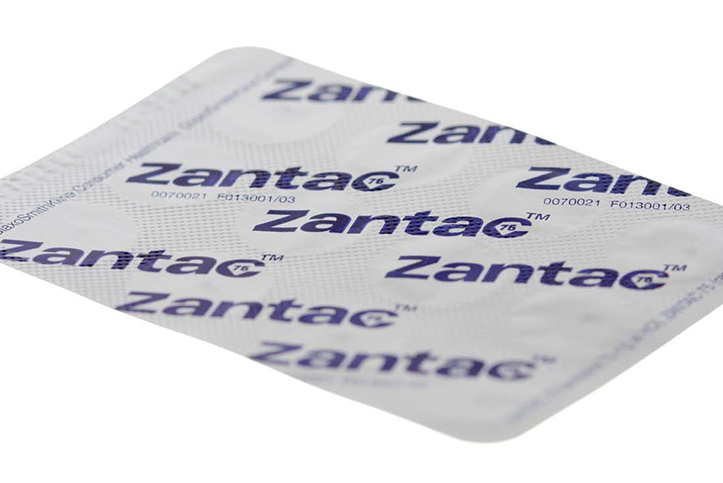
According to the National Institutes of Health, the heartburn preventative Zantac was approved for use in the United States in 1983 and by 1988 it had become the world’s best-selling drug. In 2004 generic ranitidine was approved for over-the-counter use in the U.S. and remained available until April 2020, when the FDA announced the withdrawal from the market of prescription, over-the-counter, and generic ranitidine and issued a warning to consumers. Nearly 15 million people were prescribed Zantac yearly prior to it being withdrawn from the market.
The active ingredient in Zantac is a substance called ranitidine and it works by decreasing the amount of acid your stomach makes. In 2018 ranitidine was found to have low levels of the known human carcinogen NDMA. N-nitrosodimethylamine is a stabilizing agent used in gasoline, rocket fuel, and other petroleum-based industrial products. The FDA found that the level of NDMA in ranitidine increased when the drug was stored in high temperatures and also as it got older.
Negative Effects of Zantac Use
According to the FDA, since 1983 there have been 73,240 cases reported with a negative effect from Zantac. This includes 55,891 serious cases, 4,926 deaths, and 66 percent of the cases were linked to cancer. In 2020 alone, however, reports of adverse reactions to Zantac spiked to 71,861. 70 percent of these reports mentioned cancers, the most common one being colorectal or colon cancer.
While the short-term risk of NDMA-caused cancer is thought to be low, there have not been full evaluations of longer-term exposure. However, Zantac and other ranitidine-based drugs have been linked to colorectal, kidney, bladder, prostate, esophageal, stomach, liver, pancreatic, lung, breast, gastrointestinal, uterine, testis, and thyroid cancers. Of the cancer deaths that were tied to taking Zantac, pancreatic cancer had the highest number of deaths, followed by liver, esophageal, colorectal, and stomach cancers.
Demographics of Zantac Injury
According to the FDA Adverse Event Reporting System (FAERS), 12,982 of the cases were reported by females, 8,437 cases were reported by males, but the majority of cases (51,821) did not specify gender.
Age was not specified in 39,002 cases. In the cases that did specify age, there were 19,027 reported cases in the 18-64 year range, 13,168 cases reported in the 65-85 year range, and all other age ranges had fewer than 1,000 cases reported.
Zantac-related cancers can take years to develop, so the serious adverse effects are not known in many cases for around four years.