by https://www.medlegal.legal/xanax-withdrawal-timeline/ | Aug 18, 2022 | Mesothelioma and Asbestos
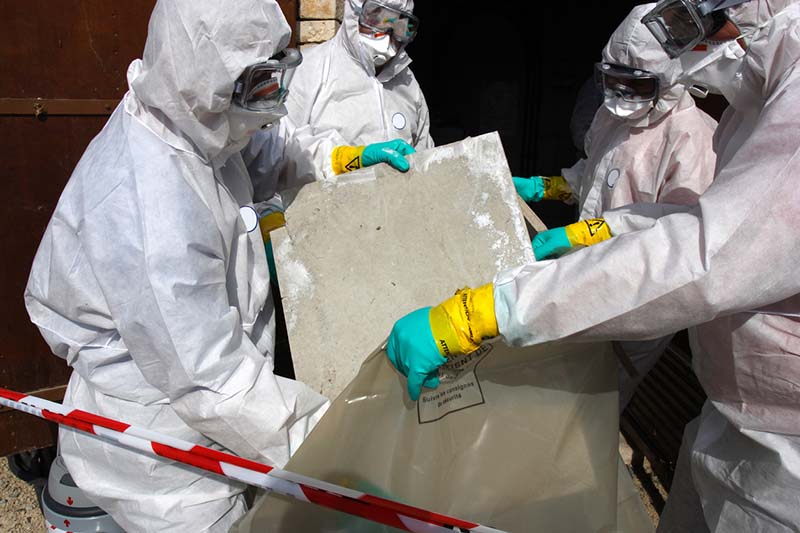
Malignant mesothelioma is a tumor of the tissue (mesothelium) lining the lungs, stomach, heart, and other organs but the most common form affects the lungs. The most common symptoms include cough, chest pain, and shortness of breath. Other symptoms include fever or night sweats, fluid around the lungs, fatigue and muscle weakness. While treatments are available to extend life expectancy and quality of life, it is a rare and aggressive cancer and there is no cure.
Risk Factors for Mesothelioma
The fact that it takes 20-50 years to develop means that the average age of diagnosis for mesothelioma is 65 or older. The people most at risk for developing this cancer are those who have worked directly with the mineral asbestos or with products containing asbestos. Asbestos in the workplace, in homes, schools, public buildings and naval ships has led to dangerous exposure. Veterans, firefighters, miners, auto mechanics, construction workers, HVAC technicians, electricians, textile mill workers and their family members are all at risk due to their possible long term exposure to asbestos. Those with a family history of mesothelioma and those who have had radiation therapy for cancer in the chest area might also have an increased risk of mesothelioma.
Prognosis and Life Expectancy
As with all cancers, the earlier mesothelioma is detected, the better the outcome that can be expected. The cancer falls into one of four stages, based on size and location. In stage 1, the cancer is localized and surgery can be effective. Median life expectancy at stage 1 is 22.2 months. In stage 2, tumors have spread to adjacent structures. While surgery is still an option, median life expectancy is 20 months. In stage 3, cancer has spread to regional lymph nodes and surgery is an option only in select cases. The median life expectancy in stage 3 is 17.9 months. In stage 4, tumors have spread to distant organs. Chemotherapy and immunotherapy ease symptoms and the median life expectancy is 14.9 months.
Age, gender, and overall health are factors that affect the outlook for those diagnosed with mesothelioma. Younger patients and women have a better prognosis than older men.
Resources for More Information
Asbestos.com – Mesothelioma
MayoClinic.org – Mesothelioma Symptoms and Causes
PennMedicine.org – The Asbestos and Mesothelioma Connection

by https://www.medlegal.legal/xanax-withdrawal-timeline/ | Aug 18, 2022 | 3M Earplugs Hearing Loss
Hearing loss is common as we age, and according to the Mayo Clinic, almost half the people in the United States over age 65 have some degree of hearing loss. Hearing loss can be conductive, involving the outer or middle ear, or sensorineural which involves the inner ear, or mixed, which is a combination of both.
Symptoms of Hearing Loss
Signs of hearing loss include:
- Difficulty understanding others speaking
- Trouble hearing consonants
- Needing to ask others to speak louder or repeat what they say
- Needing to turn up the volume or turn on captioning on the TV
- Muffling of speech and other sounds
- Continuous ringing or static sounds in the ears (tinnitus)
Hearing loss can lead to a loss of confidence in social situations and the tendency to withdraw from or avoid conversations. Hearing loss can result in depression and isolation and even cognitive impairment and decline. As hearing loss can occur gradually, you may not notice it at first, but it can have a significant effect on quality of life.
Causes of Hearing Loss
While normal aging is probably the most common risk factor for hearing loss, it can also occur as a result of physical damage to the inner ear or the eardrum. Ear infection and abnormal bone growths or tumors can also cause hearing loss.
Risk factors that can lead to ear damage and hearing loss include long-term or repeated exposure to loud noise, recreational or occupational noise. Those who work in environments like the military, farming, construction, or factory work are at risk of hearing loss. Firearms, jet engines, motorcycling, snowmobiling, loud music, and other activities can have dangerously high noise levels.
In addition, heredity, some medications, and some illnesses can also contribute to ear damage and hearing loss.
3M Combat Arms Earplugs
Military personnel are routinely exposed to high noise levels from gunfire, explosions, aircraft, and heavy machinery and for that reason they are provided with earplugs to protect their hearing and minimize the risk of hearing loss. From 2003 to 2015, the U.S. military issued the 3M Combat Arms version 2 Earplugs to personnel for that purpose. Those specific earplugs were defective, and as a result, thousands of soldiers have suffered hearing loss or tinnitus after believing they were protected. Many veterans are now filing legal claims against 3M for knowingly selling the defective devices to the Department of Defense.

by https://www.medlegal.legal/xanax-withdrawal-timeline/ | Aug 17, 2022 | https://www.medlegal.legal/pfizer-viagra-canada/
In a press release on August 16, 2022, Royal Philips announced that it is replacing its CEO Frans van Houten, who has been in the role for more than a decade, with Roy Jakobs. After the recall last year, revenues began slipping and fell 13 percent in second quarter 2022 as compared to second quarter 2021. The change in leadership will become official October 15, and Mr. van Houten will act as an adviser until April 30, 2023.
Following the recall of millions of ventilators in June 2021 that have been tied to 168 deaths, the company initiated a separate recall of additional devices that were not part of the original recall. All of its V60, V60 Plus, and V680 ventilators were recalled, more than 56,000 of which were distributed in the U.S. between May 2009 and December 2021, as reported by Fierce Biotech. All of these models are indicated for use only in healthcare facilities.
This recall was prompted by an issue with the internal power mechanism in the machines. An energy fluctuation could force the backup alarm controller to reboot, which could cause a complete shutdown of the device with no visible or audible alarm or warning.
Philips has issued guidance for healthcare providers who continue using the devices after taking some mitigating actions. They are strongly recommending that all users connect the devices to a nurse call or remote alarm system and make sure to respond promptly to every alarm issued by the device or the backup alarm system, regardless of priority level. They have also recommended that users install an oxygen analyzer and use pulse oximeters to serve as additional monitors for potential shutdowns.
Philips also recommends having backup ventilators at the ready in the event one of their devices does shut down. That would make it easier to immediately disconnect the patient from the faulty device and get them connected to a backup device as quickly as possible.
by https://www.medlegal.legal/xanax-withdrawal-timeline/ | Aug 5, 2022 | Mesothelioma and Asbestos
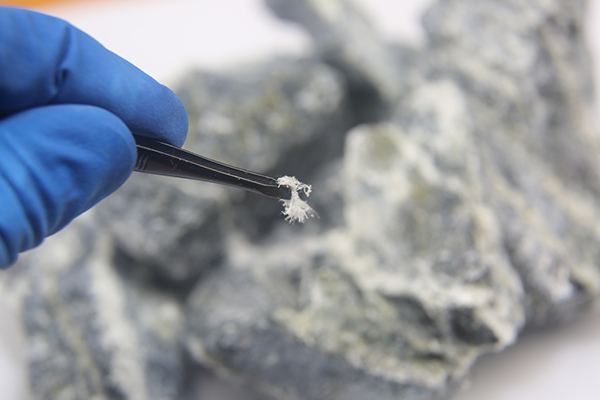
New Innovative Blood Test May Lead to Earlier Mesothelioma Diagnosis
Recruitment is still open for the PATHFINDER 2 Study using Galleri blood tests to detect cancer by searching for changes in the DNA that signal the presence of cancer and then predicting where the cancer is located in the body. Recent research in cases where the test detected a cancer signal, it also determined which organ it arose from with 93 percent accuracy. Galleri lists more than 50 types of cancer that their early detection test can detect through a simple blood draw, including mesothelioma.
The first PATHFINDER Study of an earlier version of Galleri included approximately 6,600 participants. Final results from this Multi-Cancer Early Detection Screening Study were announced in September, 2022. Here are some of their reported findings:
- Adding Multi-Cancer Early Detection (MCED) Screening to Standard of Care Screening More Than Doubled the Number of Cancers Detected
- 71% of Participants With MCED-Detected Cancers Had Cancer Types With No Routine Screening Tests Available
- Approximately Half of the MCED-Detected New Cancers Were Stage I or II
- MCED-Predicted Cancer Signal Origin Had 97.1% Accuracy and Enabled Targeted Diagnostic Evaluations
- MCED Screening was Implemented in Adults With Elevated Cancer Risk Without Study-Related Serious Adverse Events
- Participants Reported High Satisfaction and Low Negative Psychological Impact With MCED Screening
There are currently no screening tests available for mesothelioma and many other cancers, and by the time symptoms present, tumors are usually well established and the disease is advanced. So the ability to detect these cancers early has important implications for treatment.
The PATHFINDER 2 Study start date was December 8, 2021, however they are still recruiting participants. PATHFINDER 2 is estimated to be completed by July 30, 2026.